

 𝓜𝓪𝓻𝓭𝓲 𝓖𝓻𝓪𝓼 𝓸𝓷 𝓽𝓱𝓮 𝓖𝓾𝓵𝓯 𝓒𝓸𝓪𝓼𝓽 𝓦𝓱𝓮𝓻𝓮 𝓘𝓽 𝓐𝓵𝓵 𝓑𝓮𝓰𝓪𝓷…
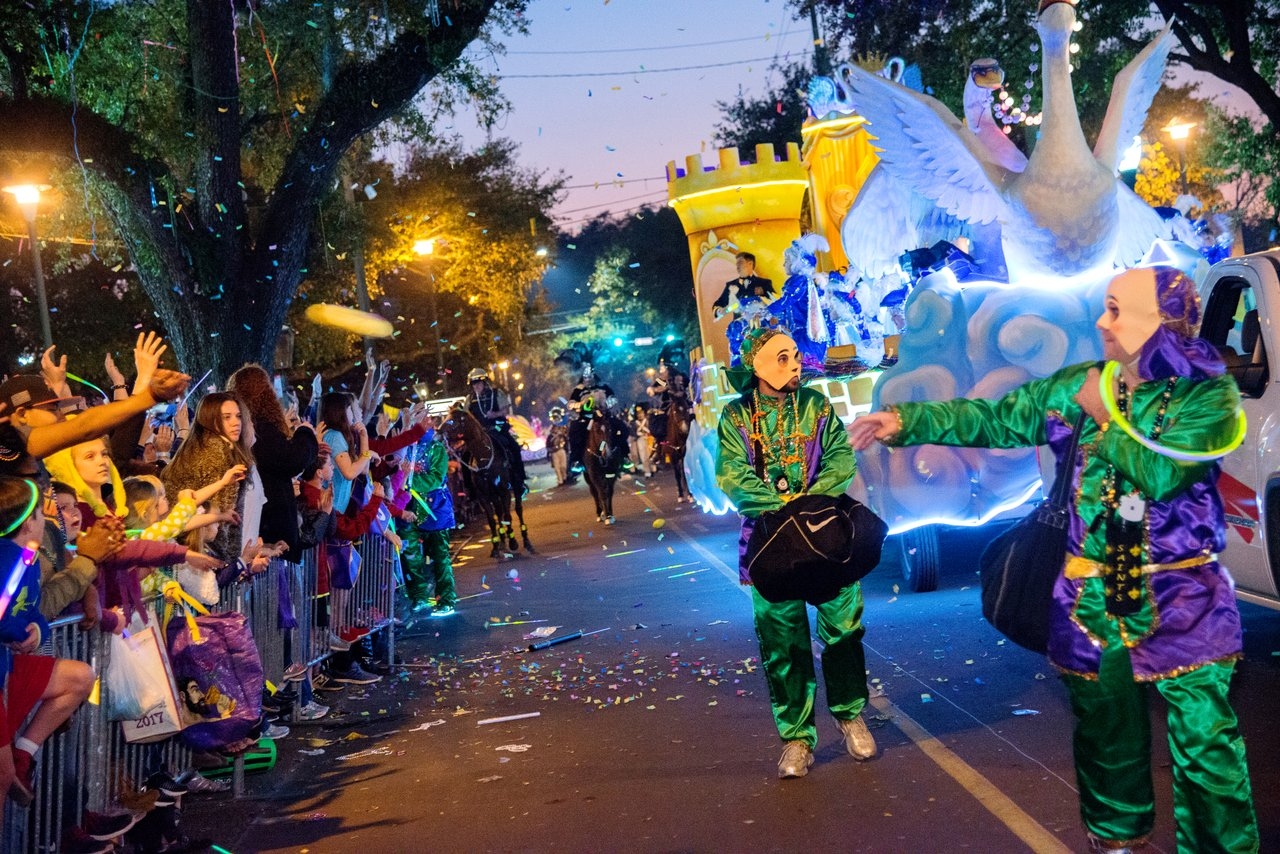
When people think Mardi Gras, they usually shout “New Orleans!” — but here’s a little Gulf Coast truth bomb  … Mardi Gras started in Mobile in 1703, by French settlers, a full 15 years before New Orleans even held its first celebration. Yes ma’am. We were first.
Mobile’s deep French roots brought Carnival traditions to the Alabama coast, and they’ve been rolling ever since. The first organized parade rolled in 1830, and by the late 1800s, the mystic societies (secret krewes) were tossing beads, MoonPies  , and doubloons long before it was trendy. One of Mobile’s most beloved traditions is Joe Cain Day — honoring Joe Cain, the man credited with reviving Mardi Gras in 1868 after the Civil War. Every year, his merry widows and followers parade through downtown in true Gulf Coast flair. It’s historic, a little quirky, and a whole lot of fun.
𝓕𝓾𝓷 𝓕𝓪𝓬𝓽𝓼 𝓨𝓸𝓾 𝓒𝓪𝓷 𝓣𝓸𝓼𝓼 𝓛𝓲𝓴𝓮 𝓑𝓮𝓪𝓭𝓼
 The colors mean something:
• Purple = Justice
• Green = Faith
• Gold = Power
Mobile is famous for tossing Moon Pies instead of just beads. (Pro tip: catch with both hands. They’re heavier than they look.  )
)
 Parades roll for weeks leading up to Fat Tuesday — not just one weekend.
Many krewes hold elegant, invitation-only balls that are steeped in tradition and pageantry. Think Southern royalty meets glitter cannon.
𝓗𝓲𝓼𝓽𝓸𝓻𝔂 𝓸𝓯 𝓚𝓲𝓷𝓰 𝓒𝓪𝓴𝓮
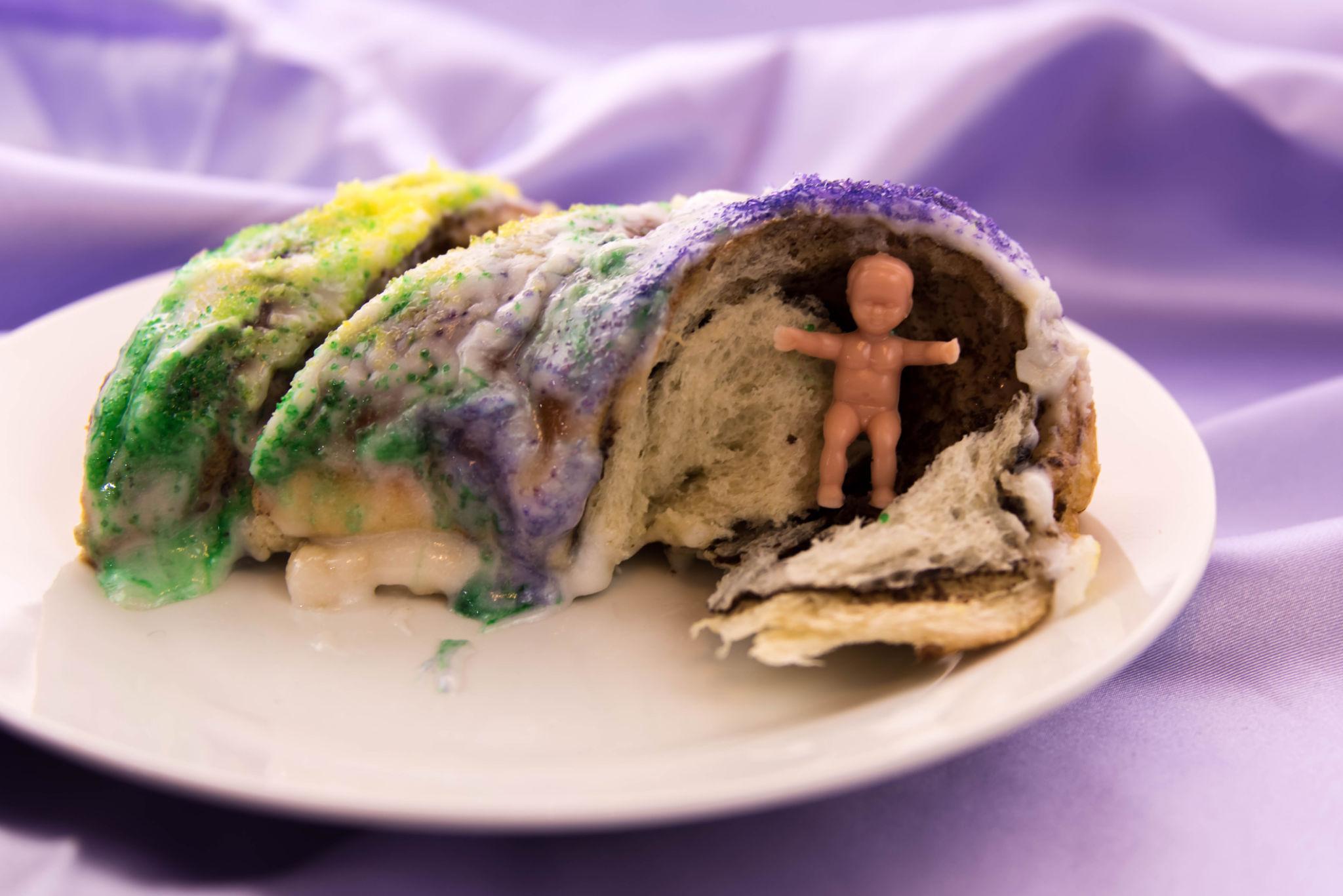
No Mardi Gras celebration is complete without a King Cake making the rounds.  This iconic ring-shaped pastry, braided like a crown and dusted in purple, green, and gold sugar, traces its roots back to French settlers who brought the Epiphany tradition to the Gulf Coast in the 1700s — including right here in Mobile. Hidden inside is the tiny baby symbolizing luck and prosperity for the one who finds it (and the unofficial obligation to host the next party
  ). Around Mobile and throughout Baldwin County, King Cake isn’t just dessert — it’s the edible kickoff to Carnival season, showing up at parades, offices, schools, and kitchen counters from January 6th through Fat Tuesday.
𝓦𝓱𝔂 𝓓𝓸 𝓣𝓱𝓮𝔂 𝓣𝓱𝓻𝓸𝔀 𝓜𝓸𝓸𝓷𝓟𝓲𝓮𝓼 𝓪𝓽 𝓜𝓪𝓻𝓭𝓲 𝓖𝓻𝓪𝓼?
𝓞𝓷𝓵𝔂 𝓲𝓷 𝓜𝓸𝓫𝓲𝓵𝓮…
In the 1940s and 1950s, parade organizers wanted something more affordable and family-friendly to throw than fragile glass beads or expensive trinkets. Moon Pies were inexpensive, individually wrapped, easy to toss, and — most importantly — edible.
The tradition stuck. Over time, the treat became part of Mobile’s Mardi Gras identity. You don’t just catch throws here… you snack on them.
Today, Moon Pies are a symbol of Mobile’s claim as the original American Mardi Gras. It’s quirky. It’s delicious. It’s uniquely ours. So if you’re lining the parade route this season, bring a bag, bring your best catching stance — and maybe both hands. Those things have some weight to them. Because on the Alabama Gulf Coast, Mardi Gras doesn’t just sparkle… it comes with a marshmallow center.
𝓚𝓻𝓮𝔀𝓮𝓼, 𝓒𝓸𝓾𝓻𝓽𝓼 & 𝓒𝓪𝓻𝓷𝓲𝓿𝓪𝓵 𝓡𝓸𝔂𝓪𝓵𝓽𝔂
Behind every parade float and flying Moon Pie is a Mardi Gras krewe — the backbone of Carnival season. These private organizations spend all year planning themes, building floats, designing throws, and organizing the grand finale: the Mardi Gras ball. And let’s talk about those balls for a second… they’re not your average Saturday night out. Think formal gowns, tuxedos, elaborate themes, choreographed royal courts, and a grand march that feels straight out of Southern royalty. 
 Invitations are treasured, traditions are honored, and generations of families participate year after year. It’s pageantry, history, and community wrapped into one glittering evening — and around here, being part of a krewe isn’t just social… it’s a legacy.
 𝓐 𝓖𝓾𝓵𝓯 𝓒𝓸𝓪𝓼𝓽 𝓑𝓪𝓭𝓰𝓮 𝓸𝓯 𝓗𝓸𝓷𝓸𝓻
Around here, Mardi Gras isn’t just a party — it’s basically a seasonal shift in the Gulf Coast operating system. Meetings get “mysteriously” rescheduled, productivity politely taps out, and even the most serious professionals suddenly know every parade schedule by heart. Schools close, businesses either boom or shut the doors early, and nobody questions why you’re wearing purple on a Tuesday morning. The entire region moves to the rhythm of marching bands and float engines. It’s not a distraction — it’s tradition. And if you’ve lived here long enough, you know: when Mardi Gras rolls in, everything else rolls right along with it.