
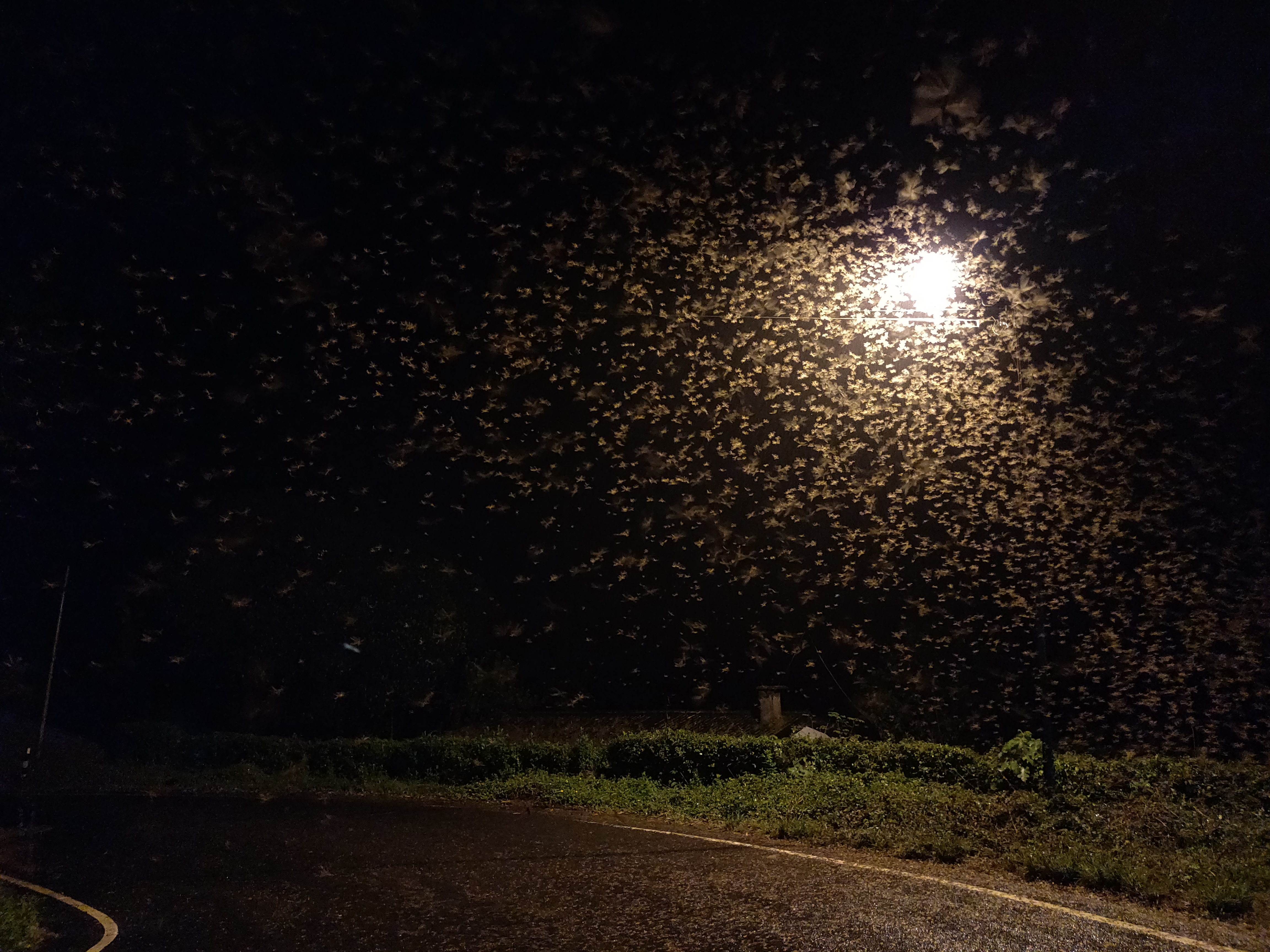
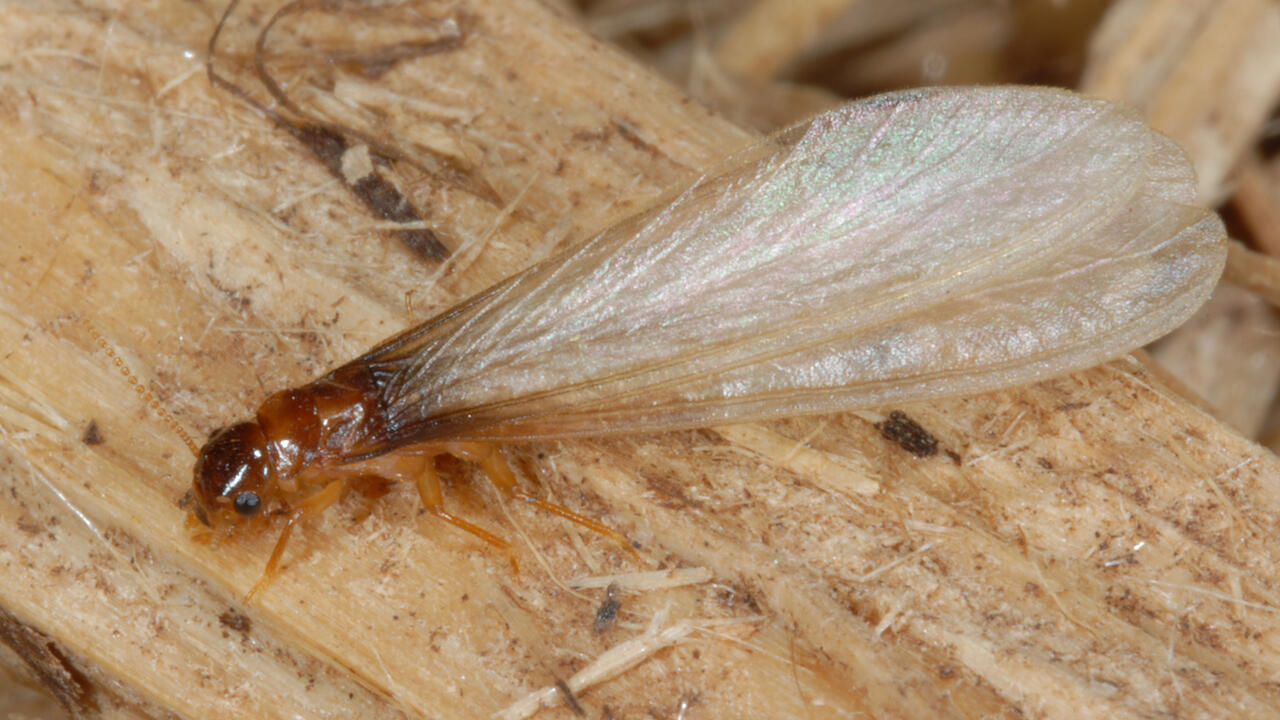
If you’ve lived around Foley, Gulf Shores, or Orange Beach for more than five minutes, you already know spring doesn’t just bring warmer weather—it brings wings. Lots of them.
Yep… termite swarming season is here.
Before you assume your house is about to collapse into a pile of sawdust, let’s talk about what’s actually going on, what matters, and a few insider tricks locals use to keep these freeloaders from turning your home into their next beachfront property.
First Things First: What a Swarm Really Means
A termite swarm is basically a colony’s version of spring break.
Mature colonies send out winged termites to start new ones. It usually happens after a warm day, often following rain, and typically in the evening when the air is calm and humid—so… pretty much every spring night on the Gulf Coast.
Here’s the part most people don’t realize:
Most of them won’t survive. It’s a numbers game.
But if they find the right conditions? That’s when it becomes your problem.
Why This Area Is Prime Termite Territory
Let’s be honest—our climate is basically termite paradise.
- Warm temperatures
- High humidity
- Plenty of wood structures
- Lots of moisture (thanks, Gulf Coast weather)
We don’t have a termite “season” here so much as a termite lifestyle. Spring is just when they get more social.
Outdoor vs. Indoor Swarms (This Matters More Than You Think)
Not all swarms are created equal.
Outside your home:
Pretty normal. Doesn’t mean your house is infested, just means termites are in the area—which, again, welcome to coastal Alabama.
Inside your home:
That’s your cue to stop what you’re doing and call a professional.
An indoor swarm usually means there’s already a colony living rent-free in or under your house.
Also keep an eye out for:
- Piles of tiny wings near windows or doors
- Mud tubes along your foundation
- Soft or hollow-sounding wood
None of those are “wait and see” situations.
Local Insider Tips to Keep Termites Away
Now this is the part you won’t always hear—but every long-time Gulf Coast homeowner knows.
1. Your Lights Are Basically a Termite Magnet
Swarmers are attracted to light, especially at night.
- Turn off unnecessary outdoor lights during peak swarming weeks
- Use yellow bug lights instead of bright white bulbs
- Keep blinds or curtains closed at night if you see activity
Otherwise, you’re basically rolling out a runway saying, “Welcome, everyone, come on in.”
2. Moisture Is the Real Problem
Termites need moisture to survive.
- Fix leaking faucets, roofs, or AC drip lines
- Make sure gutters and downspouts push water away from your home
- Don’t let water sit near your foundation
If your house stays dry, it becomes a lot less appealing.
3. Wood + Ground Contact = Bad Idea
This one gets overlooked constantly.
- Don’t stack firewood against your house
- Keep mulch and landscaping a few inches away from the foundation
- Avoid wood-to-soil contact whenever possible
You’re basically removing the “front door” to your home.
4. Keep an Eye on Your Exterior
Walk your property every now and then. Seriously.
- Check slab edges and foundation lines
- Look around window frames and door thresholds
- Pay attention after heavy rain
A two-minute walk can save you thousands later.
5. Annual Inspections Are Not Optional Here
In some parts of the country, termite protection is a “maybe.” On the Gulf Coast? It’s a must.
Whether you have a termite bond or not, regular inspections are just part of homeownership here—like hurricane prep and arguing about where to get the best shrimp.
Common Mistakes That Cost People Money
Let’s call these out, because they happen all the time:
- Assuming they’re flying ants
- Spraying them and thinking the problem is solved
- Ignoring wings because “they went away”
- Waiting until visible damage shows up
Termites are called silent destroyers for a reason—they don’t announce themselves until they’ve already done some work.
The Bottom Line
Seeing a swarm outside doesn’t mean you’re in trouble. Seeing one inside? That’s a different story.
Living on the Gulf Coast means termites are part of the deal—but major damage doesn’t have to be.
Stay proactive, keep moisture under control, rethink your lighting at night, and don’t ignore the signs.
Because around here, it’s not a matter of if termites are nearby…It’s whether you made your house the one they picked.
It's very important you have your home inspected annually and you keep your termite bond up to date each year. If you need any referrals to a pest control company please reach out.